Current work
Applied AI web systems
At Microsoft AI, I build enhanced page features, web document features for grounding models, and URL normalization systems that improve resource efficiency, deduplication, and product quality.
PhD in Computer Science · Security, Privacy, IoT, and Systems
I’m Dilawer Ahmed, a software engineer at Microsoft AI and a security and privacy researcher. I build production systems and study how real platforms expose—and can better protect—people and data.
Focus
Applied AI infrastructure, security measurement, and privacy research across voice assistants, IoT, and the web.
Current work
At Microsoft AI, I build enhanced page features, web document features for grounding models, and URL normalization systems that improve resource efficiency, deduplication, and product quality.
Research
My research focuses on security, privacy, voice assistants, IoT, and web platforms, with an emphasis on making measurement and attack insights meaningful for real systems.
Background
I completed a PhD in Computer Science at NC State and earned a BS in Computer Science from LUMS, which shapes how I balance rigor, usability, and production constraints.
Career
Research, product, and engineering work across industry and academia.
At Microsoft AI, I build enhanced page features and web document features that improve how models ground on the open web. I also work on URL normalization and related platform capabilities that reduce duplication, improve resource efficiency, and strengthen product quality.
At Microsoft, I worked on location intelligence systems for advertising, redesigning an offline pipeline in Azure Data Lake to improve recall by up to 50% and increase downstream impact. I also shipped a C++ online serving path and partnered with the Bing Maps team on reverse geocoding, reducing compute cost by 87% while increasing coverage by 25%.
At Google Cloud, I explored GPU virtualization strategies for machine learning acceleration and built a C++ performance projection tool to estimate remote GPU latency and bandwidth with lower simulator overhead. I also helped drive a protocol buffer dependency migration that reduced maintenance friction and improved internal developer workflows.
At KalPay, I led engineering for a BNPL platform, defining the product architecture and guiding execution across the merchant, consumer, and admin applications. The role combined early-stage product thinking with hands-on delivery across the company’s core fintech stack.
At Technologies of People Initiative Lab, I built research prototypes and data systems for applied computing projects, translating exploratory ideas into usable systems. My work spanned full-stack implementation, experimentation, and technical support for the lab’s broader research agenda.
Projects
A mix of research programs and production systems work across voice assistants, IoT, web privacy, ads, infrastructure, and applied ML.
Security & Privacy Researcher
Measured cross-platform leakage and built a deployable traffic-analysis defense.
Measuring, attacking, and defending modern voice assistant ecosystems, from traffic fingerprinting to scalable policy analysis and deployable defenses.
Software Engineer, Microsoft
Cut compute cost by 87% while increasing coverage by 25%.
Production engineering for large-scale location processing, delivery, and ranking systems, with a focus on reliability, quality, and computational efficiency.
Privacy & Computer Vision Researcher
Preserved downstream utility while reducing re-identification risk.
Designing transformations that preserve utility in camera and video data while making re-identification and leakage substantially harder.
Software Engineering Intern, Google
Built C++ simulation tooling for reasoning about remote GPU performance.
Tooling and systems work for reasoning about remote GPU performance, virtualization, and infrastructure behavior in ML-oriented cloud environments.
Web Privacy Researcher
Exposed the tracking cost hidden in ad-blocking exceptions and defaults.
Studying how advertising ecosystems, exception lists, and privacy tools interact in practice, with a focus on the real privacy cost of defaults.
Security & Privacy Researcher
Tested encrypted-traffic fingerprinting under realistic open-world conditions.
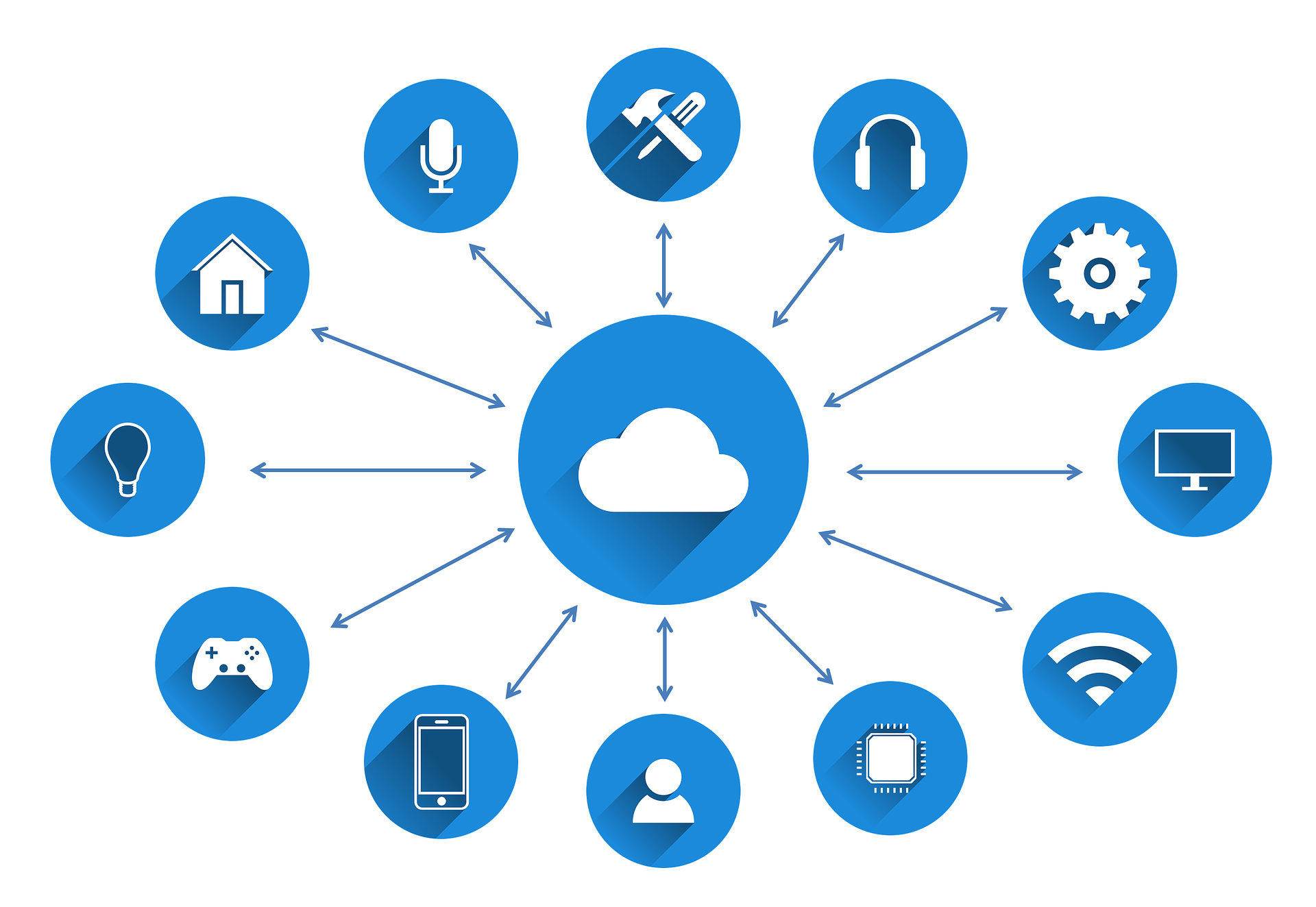
Understanding how encrypted traffic reveals device identity and usage patterns, and designing measurements that better capture open-world privacy risk in IoT ecosystems.
Research
Recent conference papers, posters, and research outputs.
Connect
Based in Mountain View and open to conversations about security, privacy, applied research, and engineering leadership.
dilawer11@gmail.com
Location
Mountain View, CA
United States